• Published on: Aug 30, 2021
  • 3 minute read
  • By: Secondmedic Expert

When Should You Worry About Blood In Your Stool?

  • WhatsApp share link icon
  • copy & share link icon
  • twitter share link icon
  • facebook share link icon

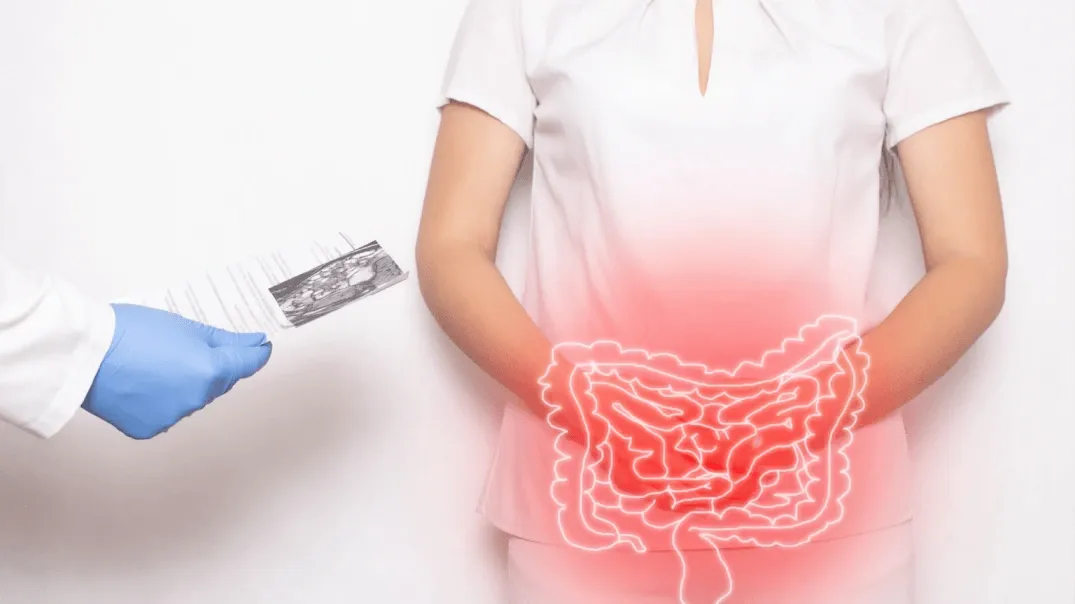
Have you ever found yourself wondering, "When should you worry about blood in your stool?" This concerning issue, also referred to as rectal bleeding, can be a cause for alarm. Understanding the causes and available treatments is crucial for your health and well-being. In this comprehensive guide, we will delve into the various aspects of blood in stool, its causes, and effective treatments. Whether you're searching for online doctor consultation or seeking information about the best gastroenterologist, we've got you covered.

Understanding Blood in Stool

Before diving into the causes and treatment options, let's clarify what it means when you notice blood in your stool. Blood in stool, also known as blood in faeces, blood in motion, or blood in potty, refers to the presence of red or black blood in your bowel movements. It can vary in color, consistency, and quantity, making it essential to pay attention to the details.

Common Causes of Blood in Stool

Now, let's explore the various causes of blood in stool. Understanding these reasons for blood in stool will help you identify the underlying issue and take appropriate action.

1. Hemorrhoids: Hemorrhoids are a common cause of rectal bleeding. These swollen blood vessels in the rectum or anus can bleed, especially when passing hard stools.

2. Anal Fissures: Small tears in the lining of the anus, known as anal fissures, can lead to blood in stool. They often result from the passage of hard, dry stool.

3. Gastrointestinal Bleeding: Conditions such as ulcers, gastritis, or inflammation in the gastrointestinal tract can cause bleeding. Gastrointestinal bleeding can lead to both red and black blood in stool.

4. Diverticulosis: Diverticulosis occurs when small pouches or sacs develop in the lining of the colon. These sacs can bleed, causing blood in stool.

5. Inflammatory Bowel Disease (IBD): Conditions like Crohn's disease and ulcerative colitis are types of IBD that can result in bleeding and blood in stool.

6. Colon Polyps and Cancer: Colorectal polyps and cancer can cause rectal bleeding. It is crucial to detect and address these conditions early for effective treatment.

When to Seek Medical Help

Recognizing when to worry about blood in your stool is vital for your health. If you experience any of the following symptoms along with rectal bleeding, it's essential to consult a healthcare professional:

- Prolonged bleeding

- Blood in stool that is black or tarry

- Changes in bowel habits

- Abdominal pain

- Unexplained weight loss

- Family history of colorectal cancer

It's important to remember that rectal bleeding is not always a sign of a severe condition, but timely evaluation is necessary to rule out any underlying problems.

Treatment Options for Blood in Stool

The treatment of blood in stool depends on its underlying cause. Here are some common treatment approaches:

1. Lifestyle Modifications: For cases related to hemorrhoids or anal fissures, making dietary and lifestyle changes can help. These may include increasing fiber intake, drinking more water, and avoiding straining during bowel movements.

2. Medications: Over-the-counter creams, ointments, or suppositories can help alleviate symptoms associated with hemorrhoids and anal fissures.

3. Endoscopy: In cases where gastrointestinal bleeding is suspected, an endoscopy may be performed to diagnose and treat the issue directly.

4. Medication for IBD: If inflammatory bowel disease is the cause of rectal bleeding, a gastroenterologist may prescribe medications to manage the condition.

5. Surgery: In more severe cases, surgery may be necessary to remove polyps or treat colorectal cancer.

6. Regular Screening: Preventive measures, such as regular colorectal cancer screening, can detect and treat potential issues before they become serious.

Online Doctor Consultation and Lab Tests

In the digital age, accessing medical advice and consultations has become more convenient than ever. If you're concerned about blood in your stool, online doctor consultation can provide you with quick answers and guidance. Additionally, online lab tests can be a valuable resource for diagnosing potential issues.

When searching for online doctor consultation or online lab tests, it's crucial to choose a reputable service that offers professional guidance and accurate results. This approach can save you time and provide peace of mind in the face of health concerns.

Finding the Best Gastroenterologist

If your condition requires specialized care, finding the best gastroenterologist is essential. A gastroenterologist is a medical professional with expertise in diagnosing and treating disorders of the digestive system, including those that lead to blood in stool.

To find the best gastroenterologist for your needs, consider the following factors:

- Experience and expertise in gastrointestinal disorders

- Recommendations from your primary care physician or trusted sources

- Patient reviews and testimonials

- Location and convenience

Don't hesitate to seek a second opinion or explore multiple options when choosing a gastroenterologist, as your healthcare is of utmost importance.

In conclusion, blood in stool is a concerning symptom that should not be ignored. Understanding the causes and available treatment options is essential for your health and well-being. Whether it's related to common issues like hemorrhoids and anal fissures or more serious conditions like gastrointestinal bleeding, colorectal polyps, or cancer, timely evaluation and treatment are critical.

If you're worried about blood in your stool, remember that seeking online doctor consultation and using online lab tests can provide you with quick answers and guidance. And if your condition requires specialized care, don't hesitate to find the best gastroenterologist to address your concerns effectively. Your health is invaluable, and taking action when you notice rectal bleeding is the first step towards a healthier future.

Read FAQs


A. The seriousness of blood in stool depends on its cause and accompanying symptoms. Prolonged bleeding, black or tarry stool, abdominal pain, or unexplained weight loss are warning signs that require immediate medical attention.

A. Any amount of blood in stool should be taken seriously. Even a small amount can be an indicator of underlying issues. It's essential to consult a healthcare professional to determine the cause and severity.

A. Blood in stool may not be serious when it is related to common, benign causes like hemorrhoids or minor anal fissures. However, even in these cases, it's advisable to consult a healthcare provider to confirm the diagnosis and receive appropriate guidance.

Read Blog
Monkeypox

Monkeypox Virus Symptoms: Early Signs, Disease Progression, and When to Seek Care

Monkeypox, now commonly referred to as mpox, is a viral infection that has gained global attention due to outbreaks beyond traditionally affected regions. Understanding monkeypox virus symptoms is essential for early detection, timely isolation and prevention of further spread.

According to the World Health Organization and Indian public health authorities, awareness of symptom patterns plays a critical role in controlling outbreaks and protecting vulnerable populations.

What Is the Monkeypox Virus?

Monkeypox is caused by the monkeypox virus, a member of the Orthopoxvirus family, which also includes smallpox. While generally less severe than smallpox, monkeypox can still cause significant illness and discomfort.

The virus spreads primarily through close physical contact.


Incubation Period of Monkeypox

After exposure, symptoms typically appear within:

  • 5 to 21 days

  • most commonly 6 to 13 days

Individuals may feel well during this period but can become infectious once symptoms begin.


Early Monkeypox Virus Symptoms

Fever

Fever is usually the first symptom and may be:

  • sudden in onset

  • moderate to high grade

  • accompanied by chills

Fever signals the start of systemic infection.


Headache and Body Aches

Patients often experience:

  • severe headache

  • muscle aches

  • back pain

These symptoms resemble many viral illnesses.


Fatigue and Weakness

Marked tiredness and low energy levels are common and may limit daily activities.


Swollen Lymph Nodes

Swollen lymph nodes are a distinguishing feature of monkeypox.

Common sites include:

  • neck

  • armpits

  • groin

This helps differentiate monkeypox from chickenpox or smallpox.

Development of Monkeypox Rash

The skin rash usually appears:

  • 1 to 3 days after fever onset

It may begin on the face or genital area and spread to other parts of the body.


Stages of Monkeypox Rash

The rash progresses through well-defined stages:

Macules

Flat red spots on the skin.

Papules

Raised, firm bumps.

Vesicles

Fluid-filled blisters.

Pustules

Pus-filled lesions that are painful.

Scabs

Lesions crust over and eventually fall off.

Complete healing occurs once scabs detach.


Distribution of Rash

Rash commonly affects:

  • face

  • hands and feet

  • mouth

  • genital and anal areas

The number of lesions can vary widely.


Pain and Discomfort

Rash lesions may be:

  • painful

  • itchy during healing

Pain severity differs between individuals.


Other Possible Symptoms

Additional symptoms may include:

  • sore throat

  • cough

  • nasal congestion

These reflect upper respiratory involvement.


Duration of Illness

Monkeypox symptoms typically last:

  • 2 to 4 weeks

Recovery occurs gradually as lesions heal.


Who Is at Higher Risk of Severe Illness?

Higher risk groups include:

  • children

  • pregnant women

  • individuals with weakened immunity

  • people with chronic illness

Early care is crucial in these groups.


Complications of Monkeypox

Though uncommon, complications may include:

  • secondary bacterial skin infections

  • dehydration

  • pneumonia

  • eye involvement

Prompt medical guidance reduces risk.


How Monkeypox Is Transmitted

Transmission occurs through:

  • direct skin-to-skin contact

  • contact with lesions or bodily fluids

  • respiratory droplets during close contact

  • contaminated clothing or bedding

Understanding transmission helps prevent spread.


When to Seek Medical Care

Seek medical evaluation if:

  • fever is followed by rash

  • lymph nodes become swollen

  • rash appears in genital or facial areas

Early diagnosis supports isolation and care.


Diagnosis and Testing

Diagnosis may involve:

  • clinical examination

  • laboratory testing of lesion samples

Public health authorities guide testing protocols.


Prevention and Control Measures

Preventive steps include:

  • avoiding close contact with infected individuals

  • maintaining good hand hygiene

  • isolating during illness

  • following public health guidance

Vaccination may be recommended for high-risk groups.


Role of Public Awareness

Awareness of symptoms:

  • enables early detection

  • reduces stigma

  • supports timely care

WHO emphasises community education in outbreak control.


Conclusion

Monkeypox virus symptoms typically begin with fever, body aches and swollen lymph nodes, followed by a characteristic rash that progresses through defined stages. While most cases are self-limiting, early recognition, medical evaluation and isolation are essential to prevent complications and reduce transmission. Staying informed and acting promptly protects both individual and public health.


References

  • World Health Organization (WHO) – Mpox (Monkeypox) Clinical and Public Health Guidance

  • Indian Council of Medical Research (ICMR) – Emerging Viral Infections Reports

  • National Centre for Disease Control (NCDC), India – Monkeypox Advisories

  • Lancet – Clinical Features and Outcomes of Mpox

  • NITI Aayog – Public Health Preparedness and Infectious Disease Control

See all

Live Doctor consultation
Live Doctor Chat

Download Our App & Get Consultation from anywhere.

App Download
call icon for mobile number calling and whatsapp at secondmedic